Introduction to Cross-Border Trade Finance Transactions
Excellence in trade finance means mastering risks, structuring smartly, and bridging global finance with local realities.
This is precisely where cross-border expertise makes the difference: bridging international finance with local realities.
Introduction to Cross-Border Trade Finance Transactions
When structuring an international trade finance deal—such as pre-export financing (PEF) —foreign lenders/financiers face the challenge of navigating jurisdiction-specific risks. Beyond the commercial transaction itself, they must account for financial, operational, political, institutional, and regulatory factors that directly impact deal execution.
A deep understanding of this complex environment is essential to designing financial models and legal instruments capable of mitigating risks and ensuring the effectiveness of the financing.
Commodity trade finance demands that financiers, executives, and lawyers navigate obligations, guarantees, and risks still underexplored in legal scholarship.
Some of the key risks to be considered include:
Political risks – instability or government actions that impact trade/repayment
Institutional risks – uncertainties in law, judiciary efficiency, or regulatory changes that alter “the rules of the game.”
Insolvency of the exporter – borrower’s inability to honor obligations
Disappearance of goods – loss or diversion of commodities before export
Fraud risks – falsification of documents, misrepresentation of goods.
Seizure of collateral goods – judicial or regulatory attachment of financed goods
Price volatility of the commodity – fluctuations in commodity markets reducing repayment capacity.
Payment default by the importer – importer fails to pay, jeopardizing loan repayment.
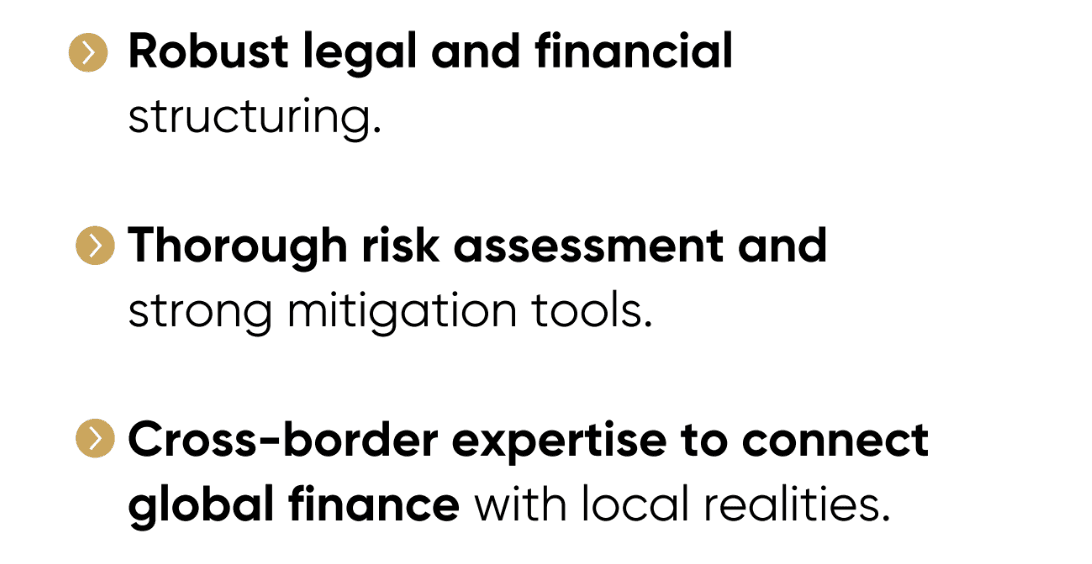
An effective commodity trade finance transaction requires:
Stay tuned: in the next posts, I will share the key elements to consider when structuring commodity trade finance deals in Brazil — insights that can equally be applied to other jurisdictions.